

If you want a straight answer: for most quilts, tightly woven 100% quilting cotton is the best fabric you can buy. It presses crisply, pieces accurately at a consistent 1/4-inch seam, and holds its shape through washing. Brands like Robert Kaufman, Moda Fabrics, and Riley Blake Designs stand out for their solids ranges, designer collections, precut formats, and backing options, all of which we break down below.
Finding the Perfect Material for Your Next Quilt

Alt-Text: A flat lay of colorful quilting fabrics, scissors, measuring tape, and a sign 'PERFECT QUILTING FABRIC' on a white background.
Top-tier quilting cotton is not the same thing as apparel fabric. It is suited to rotary cutting, crisp pressing, and repeated washing. Cotton became the defining quilt fabric because mechanized textile manufacturing made it widely available and consistent. It was domesticated in the Indus River Valley around 2300–1700 BCE, but its use expanded after factory production spread through Britain and North America in the early 1800s. Cotton later became the dominant textile for quiltmaking across much of the Atlantic world, in part because it cut, sewed, and washed predictably at scale (see this history of cotton and quilting fabric supply). Linen, voiles, and silk each have a place, but they demand different handling, as we cover in the fabric-types section below.
Quick decision snapshot:
- Best overall fabric type for quilting: 100% medium-weight quilting cotton. It's the safest choice for nearly every block-based project.
- Best for beginners: Quilting cotton in precut form — a Charm Pack or Jelly Roll from Moda or Riley Blake — so you can skip some cutting and start with coordinated fabrics.
- Best for bed quilts: Dense, stable cotton for the top plus a 108-inch wideback, so you aren't piecing a seam down a wide backing.
- Best for garments or baby quilts: Softer, drapier options, such as Cloud9's organic cotton or a voile, where feel matters more than razor-sharp seams. Cloud9 describes its fabrics as certified organic cotton; see its manufacturer website.
One practical note from our showroom: quilters may notice a difference in hand between a crisp Robert Kaufman solid and a softer-feeling Moda print, which can help guide the choice for a given project.
The three qualities that separate premium cotton from lower-quality options:
- Fabric Weight & Thread Count: A higher thread count can help fabric feel smoother and stay stable during cutting.
- Print Clarity & Colorfastness: Clear print registration and reliable color are useful when pairing dark fabrics with light blocks.
- Durability & Shrinkage: Shrinkage varies, so consider it before cutting and assembling a quilt that will be washed.
If you want a deeper dive into fiber-specific choices, we keep a separate guide to the best fabric for quilting.
How We Chose the Best Quilting Fabric Brands
We evaluate these criteria on the bolt and on washed samples:
- Weave consistency: Does the fabric hold a press and resist skewing when you cut long strips? Loose weaves can drift; a stable plain weave is easier to handle.
- Softness after washing: A fabric that starts crisp should soften without feeling brittle. We consider washed samples as well as the fabric on the bolt.
- Print style and repeatability: Print registration should be clear across the repeat, not just in a sample swatch.
- Solids range: How many usable shades are available, and are they consistent across the range?
- Designer collections: Are prints and blenders offered as coordinated collections?
- Precut availability: Charm Packs, Layer Cakes, Jelly Rolls, and Fat Quarter bundles.
- Wide-backing options: Whether 108-inch yardage is available so large quilts can have an unpieced backing.
No single brand wins every category. Robert Kaufman is known for Kona solids and widebacks; Moda offers coordinated collections and precuts; Cloud9 offers organic cotton fabrics. The right choice depends on the project.
Types of Quilt Fabric and When to Use Them
- Quilting cotton (the default): Medium-weight, plain-woven 100% cotton, commonly described in the range of roughly 60–80 threads per inch. Thread density is a useful guide, but not the only measure of quality. A dense plain weave helps fabric hold its shape during rotary cutting, pressing, and machine quilting (see this journal article on quilt fabric weave density). Start here unless you have a specific reason not to.
- Linen and linen blends: Textured and drapey, they can suit modern quilts and table linens, but looser weaves may fray and distort more. Expect seam matching to be harder.
- Voile: Silky, lighter, and soft against skin — an option for baby quilts and lightweight garments, but harder to press and piece because it shifts under the needle.
- Silk and silk blends: Suitable for wall hangings and accessories, but they may need stabilizing, gentler pressing, and delicate care. Not a beginner fabric.
- Flannel: Cozy for winter throws and baby items; it sheds lint and can shrink more, so pre-wash and consider a deeper seam allowance.
For any project washed regularly, quilting cotton remains the backbone. Treat linen, voile, and silk as specialty fabrics with handling and care tradeoffs.
Robert Kaufman Fabrics: The Bedrock of Modern Quilting

Alt-Text: A hand touches a stack of colorful Kona cotton solid fabrics for quilting.
Caption: Kona® Cotton solids from Robert Kaufman are renowned for their consistent quality and vast color range.
When experienced quilters talk about reliable fabric, one name often makes the list: Robert Kaufman. For decades, the brand has been a cornerstone of the quilting world. Its fabrics are known for consistency, a useful quality when choosing fabric for a quilt.
Robert Kaufman fabrics feel substantial, and their dense weave can be useful for projects that benefit from a stable fabric.
Key Insight: Thread count is one factor to consider. A dense weave can help fabric hold a press and stay stable during piecing.
Many quilters who visit our Springfield, Tennessee showroom appreciate comparing different fabrics in person. Kona® Cotton is one reason Robert Kaufman is among the best quilting fabric brands.
The Kona Cotton Solids Phenomenon
You can't talk about Robert Kaufman without mentioning its well-known line: Kona® Cotton. The line is OEKO-TEX certified, according to the manufacturer's Kona Cotton information.
With more than 365 colors, the Kona® collection offers quilters a broad palette. Its range of colors makes it useful for finding a shade to pair with prints or use on its own.
Here’s why Kona® is a go-to for many quilters:
- Color selection: The range offers many choices for pairing dark colors with light ones.
- Consistent planning: A stable fabric can support accurate piecing; prewashing is one way to account for shrinkage.
- Versatility: Its medium weight and crisp feel make it suitable for quilts, bags, and clothing.
More Than Just Solids
While Kona® gets the spotlight, Robert Kaufman also offers designer prints and different fabric formats.
Founded in 1944, this family-owned company has become a major name in fabric. Its wideback fabrics, available in widths up to 108 inches, can eliminate the need to piece a backing for some large quilts. You can read more about market trends in this quilting fabric industry report.
The brand also offers Precuts, including Charm Packs and Layer Cakes. These bundles provide a coordinated mix of prints in precut formats.
Moda Fabrics: Where Design Meets Dependability
If Robert Kaufman is known for solids, Moda Fabrics is known for designer collections and coordinated Precuts. Moda Fabrics brings together designs and formats that can make it easier to plan a project.
Moda Fabrics' collections include collaborations with fabric designers. Collections may include prints and coordinating fabrics, giving quilters options to combine within a project.
The brand began in 1974. Moda offers bundles such as Layer Cakes (10x10 inch squares) and Charm Packs, which let quilters use a selection of fabrics without cutting each piece from yardage. For a discussion of Precuts and industry trends, see this report on quilting fabric trends.
The Power of Bella Solids and Coordinated Lines
While Moda Fabrics is known for prints, its Bella Solids line offers solid-color options. The solids can be paired with the brand’s print collections, making it simpler to plan a coordinated palette.
This coordination is useful when selecting a Jelly Roll and yardage in a matching Bella Solid. In my sewing, I appreciate how having a solid offered alongside a collection makes coordinating colors more straightforward. If you’re ever near our Springfield, Tennessee showroom, come compare the fabrics in person.
Mastering the Art of the Precut
Moda Fabrics offers Precuts in formats such as Fat Quarters, Layer Cakes, Jelly Rolls, and Charm Packs. These options make it possible to start a project with pieces from a collection already cut to common sizes.
Here’s a quick look at popular precut options:
- Layer Cakes: Stacks of 10-inch squares, suitable for bigger blocks and quilt tops.
- Charm Packs: Bundles of 5-inch squares, ideal for classic patchwork.
- Jelly Rolls: Collections of 2.5-inch strips, often used for strip piecing and binding.
- Fat Quarter Bundles: A choice for quilters who want larger cuts than squares or strips.
Precuts offer convenience and a coordinated selection. A quilter can get a piece of several prints in a collection without buying yardage of each. For a closer look at using these bundles, you can explore our guide on Moda Flannel Charm Packs.
Expert Insight: Machine-cut Precuts provide pieces in a convenient format and can reduce the amount of cutting required before piecing.
Moda Fabrics also offers batting, providing another component for a quilt project. Its coordinated product lines make it a choice for quilters who want to plan a project around a collection.
How Top Fabric Brands Compare
Shrinkage is one consideration when comparing fabrics. Quality quilting cotton commonly shrinks about 2% to 5%, depending on finishing, weave, washing temperature, agitation, and drying method. On a 100-inch quilt backing, that range represents roughly 2 to 5 inches of dimensional change, which can affect borders, block alignment, and fit. Prewashing can help account for shrinkage; see this guide to choosing high-quality quilting fabric.
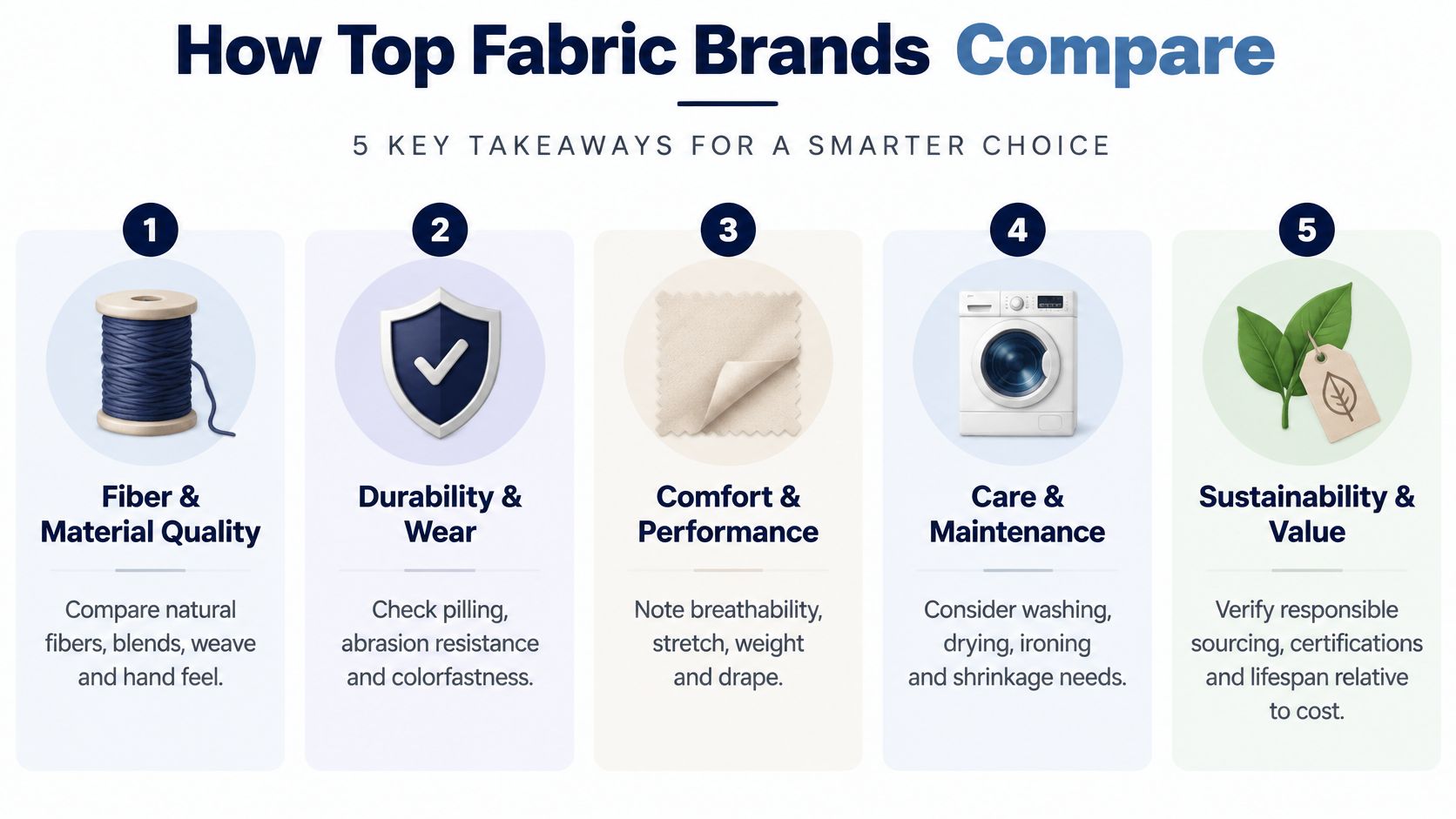
A Head-to-Head Comparison
| Brand | Price Tier ($/Yard) | Weave Stability & Shrinkage | Print Style | Solids Range | Precuts | Wide Backings | Best-Fit Projects |
|---|---|---|---|---|---|---|---|
| Robert Kaufman | $10 - $14 | Not confirmed; check manufacturer listing | Not confirmed; check manufacturer listing | 365+ Kona® colors | Charm Packs, Layer Cakes | Yes, up to 108 inches | Modern quilts, precision piecing, garments |
| Moda Fabrics | $11 - $15 | Not confirmed; check manufacturer listing | Designer collections | Bella Solids, matched to prints | Full range (Jelly Rolls, Layer Cakes) | Not confirmed; check manufacturer listing | Coordinated block quilts, kits |
| Riley Blake Designs | $10 - $13 | Not confirmed; check manufacturer listing | Not confirmed; check manufacturer listing | Blenders coordinate with lines | Fat Quarters, panels, kits | Not confirmed; check manufacturer listing | Children's and novelty quilts, holiday projects |
| Cloud9 Fabrics | $13 - $18 | Soft drape, lighter body | Modern organic prints | Curated neutrals and brights | Select precuts | Not confirmed; check manufacturer listing | Baby quilts, apparel, skin-soft projects |
| Brand | Price Tier ($/Yard) | Best For | Key Strengths | Available Formats |
|---|---|---|---|---|
| Robert Kaufman | $10 - $14 | Modern & solid-color quilts | Kona® Cotton Solids, high thread count, OEKO-TEX certified, excellent colorfastness. | Yardage, Precuts, 108-inch backings. |
| Moda Fabrics | $11 - $15 | Coordinated & themed projects | Premier designer collaborations, industry-leading Precuts, soft hand, matching solids. | Jelly Rolls, Layer Cakes, kits, yardage. |
| Riley Blake Designs | $10 - $13 | Children’s & novelty quilts | Whimsical prints, licensed characters, vibrant colors, strong holiday collections. | Yardage, panels, Fat Quarters, kits. |
| Cloud9 Fabrics | $13 - $18 | Apparel & baby items | 100% certified organic cotton, modern aesthetic, superior drape for garments. | Yardage, select Precuts. |
Which Brand for Which Situation
- For coordinated collections and designer prints, Moda offers collections that include prints and coordinating Bella Solids. In my own sewing, I find that choosing fabrics from the same collection makes it easier to coordinate a palette and press the pieces consistently.
- For solids, Robert Kaufman is a strong option. Kona offers a broad palette, and the line's OEKO-TEX certification is noted in the manufacturer's Kona Cotton information.
- For beginner speed, Riley Blake's kits and panels can reduce the number of decisions and cutting steps before sewing.
- For baby quilts and garments, Cloud9 is an option when a softer hand and drape matter. Cloud9 describes its fabrics as certified organic cotton; see its manufacturer website.
Alt-Text: Infographic outlining Moda Fabrics' legacy, covering designer collaborations, precuts like jelly rolls, and brand history since 1974.
Caption: Moda Fabrics offers coordinated collections and precuts for quilters.
Quality You Can Feel
A picture can only tell you so much. The "hand" of the fabric — its weight, texture, and feel — is one way to assess whether it suits your project.
Expert Tip: The best way to judge fabric is to handle it when possible. When you visit our Springfield, Tennessee showroom, you can compare the feel of Cloud9 fabrics with a Robert Kaufman solid.
- Robert Kaufman fabrics can feel crisp and substantial. A stable fabric can be helpful for precision piecing.
- Moda Fabrics offers a range of fabrics and prints; feel may vary by collection.
- Cloud9 Fabrics offers organic cotton fabrics described by the brand as soft, with options for quilts and clothing.
The best brand is the one that fits your project. Whether you're building your stash with versatile basics or hunting for a standout print, knowing what to compare can help you buy with confidence.
Matching the Fabric to Your Quilting Project
The right fabric depends on what the finished quilt will be used for. Project needs matter more than brand loyalty.
Bed Quilts
Durability, shrinkage, and backing width matter most. Use quilting cotton for the top, and consider prewashing to account for the 2–5% shrinkage range. Robert Kaufman offers 108-inch backing options that can avoid a pieced center seam on some large quilts. Moda's collections are another option for coordinated bed-quilt designs.
Baby Quilts
Softness and washability matter. Cloud9's certified organic cotton is one option; see the manufacturer website for its certification information. Riley Blake also offers cotton fabrics in playful prints. Choose a fabric that suits the feel and care needs of the finished quilt.
Wall Hangings
Print scale and drape control are important. Large-scale prints from Moda collections can suit a hanging, while a crisp solid border from Kona can frame the design. Wall hangings are not usually laundered as often as bed quilts, so you can prioritize fabric that holds its shape and suits the design.
Table Runners
Cotton is a practical choice for washable table runners because it is straightforward to launder and press. Robert Kaufman and Riley Blake offer cotton options to consider. Choose a print or solid that suits the room, and follow the fabric's care instructions.
Quilted Garments and Accessories
Drape matters for garments, while structure can help accessories keep their shape. Cloud9's organic cotton is an option when a softer drape is desired. Robert Kaufman's firmer-feeling fabrics may suit quilted tote bags that need more structure.
Discussing Alternatives: When Cotton Loses Ground
We already covered linen, voile, and silk above. Quilting cotton is the default because it offers a useful combination of stability, manageable shrinkage, and washability. Choose specialty fibers when a specific quality matters more, and consider the care needs of the finished quilt before you commit.
Expert Tips for Buying and Maintaining Your Fabric Stash
Bringing home beautiful fabric is one of the best parts of quilting. Caring for it before you make the first cut can help prepare it for your project. The habits you build around maintaining your fabric stash make a difference.
Smart Shopping and Fabric Prep
Shopping for fabric online can feel like a gamble. Look for retailers who provide high-resolution, true-to-color images.
Once that fabric arrives, consider how to prepare it:
- To Pre-wash or Not to Pre-wash: Prewashing can help account for shrinkage, especially when mixing fabrics or using deep colors next to light ones.
- The Color Catcher Test: Consider using a color catcher sheet in your pre-wash to help catch loose dye.
- Identifying Quality by Touch: Premium quilting cotton often feels crisp and smooth. You can compare different fabrics in our Springfield, Tennessee showroom.
A fabric's "hand" is its signature. A smooth, tightly woven cotton can be easier to handle and may fray less than a looser weave.
Storing Your Fabric for Longevity
How you store your fabric matters. A well-organized stash protects your fabric from sunlight and dust. You might find our guide on the benefits of buying fabric by the bolt helpful for planning purchases.
Proper storage keeps everything from tiny remnants to large cuts of yardage ready to use.
- Fold, Don't Cram: Whether it's Precuts like Fat Quarters or yardage, fold them neatly. Avoid cramming fabric into drawers, which can create deep-set wrinkles.
- Keep It Out of Direct Sunlight: UV rays can fade fabric over time. Store your stash in a closet, on covered shelving, or in opaque bins.
- Mind the Environment: Store fabric in a climate-controlled part of your house. Attics and basements with humidity swings can be unsuitable for fabric storage.
These habits help keep fabric ready for your next project.
Common Questions from the Quilting Community
What Is Quilting Cotton, and How Does It Differ From Other Cotton?
Medium-weight, plain-woven 100% cotton — commonly called quilting cotton — is the most common fabric choice for quilting. It is typically described in the range of roughly 60–80 threads per inch. That dense weave helps it cut accurately, hold a crisp press, and maintain its shape through piecing and washing. Other cotton fabrics, such as voile or lawn, are often lighter and drapier, so they can shift more during cutting and sewing. Robert Kaufman and Moda are among the brands with quilting cotton options; check the product listing for the fabric's specifications.
Do I Really Need to Buy 108-Inch Quilt Backing?
If your quilt is bigger than a throw, a 108-inch quilt backing may be worth considering. For a queen or king, compare the yardage cost with the labor involved: piecing a backing takes time, adds a center seam, and places a seam where a longarm machine works across the quilt. A wide backing can avoid that extra seam and the labor of piecing it.
Are Precuts Like Jelly Rolls and Fat Quarters Worth It?
Precuts offer convenience and a coordinated collection in one purchase.
- Time Savings: Precuts are machine-cut, reducing the amount of cutting needed.
- Access to Designers: A Jelly Roll or Layer Cake gives you pieces from a designer's collection without buying yardage of each print.
- Coordination: Precuts can make it simpler to choose fabrics that work together, especially for beginners.
How Can I Judge Fabric Quality When Shopping Online?
A reputable brand name, such as Robert Kaufman, Moda Fabrics, or Cloud9 Fabrics, can help you identify the fabric maker, but check the listing for details about the individual fabric. Look for thread density (roughly 60–80 threads per inch is a commonly cited range for quilting cotton), stated weight, and manufacturer washing notes. High-resolution photos are useful, but color can look different on different screens. Whether you're shopping online or in our Springfield, Tennessee showroom, comparing the fabric's specifications and feel can help. Reviews may also offer observations about shrinkage, color, and hand.
Shop our latest Precuts collection here.
Join The Weekly Thread for more tips and 10% off your first order.